Why multi-modal works
Pain is not a single signal. It is the nervous system's summary of tissue input, emotional state, sleep quality, and context. A strategy that pushes only one lever — usually a stronger opioid — ignores every other lever. Multi-modal pain management means deliberately pulling three or four small levers at once. The result is better analgesia at lower medication doses, with substantially reduced risk of nausea, constipation, sedation, and dependence.
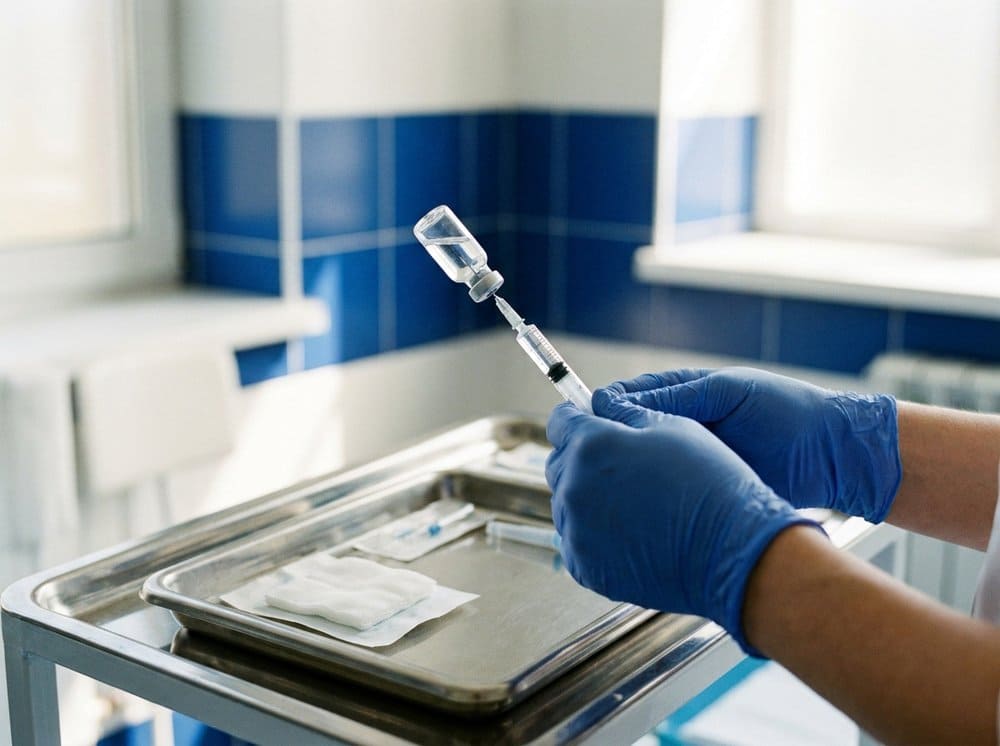
A typical post-operative prescription from our clinic combines scheduled paracetamol (acetaminophen), as-needed celecoxib or another selective NSAID if renal function allows, and a short rescue course of a weak opioid such as tramadol — usually 5 to 7 days, tapered aggressively. Next to that sits the non-pharmacological stack.
The non-drug stack
Ice and compression
Cold therapy applied for 15–20 minutes every 2–3 hours in the first 72 hours reduces swelling, slows nerve conduction in nociceptive fibres, and is objectively analgesic. Compression bandages or neoprene sleeves add mild pressure that patients consistently rate as comforting, particularly at night. Never place ice directly on skin — always a thin towel or the dressing in between.
TENS (transcutaneous electrical nerve stimulation)
A small battery-powered unit delivers mild electrical pulses across skin electrodes. The gate-control mechanism is well-established: stimulating large-diameter A-beta fibres inhibits small-diameter C-fibre pain transmission at the dorsal horn. TENS is not curative; it is a bridging tool. For post-operative knee pain, 30 minutes twice daily at 80–100 Hz is a reasonable starting protocol. Home units are available in PH at roughly ₱2,500–5,000.
Graded movement
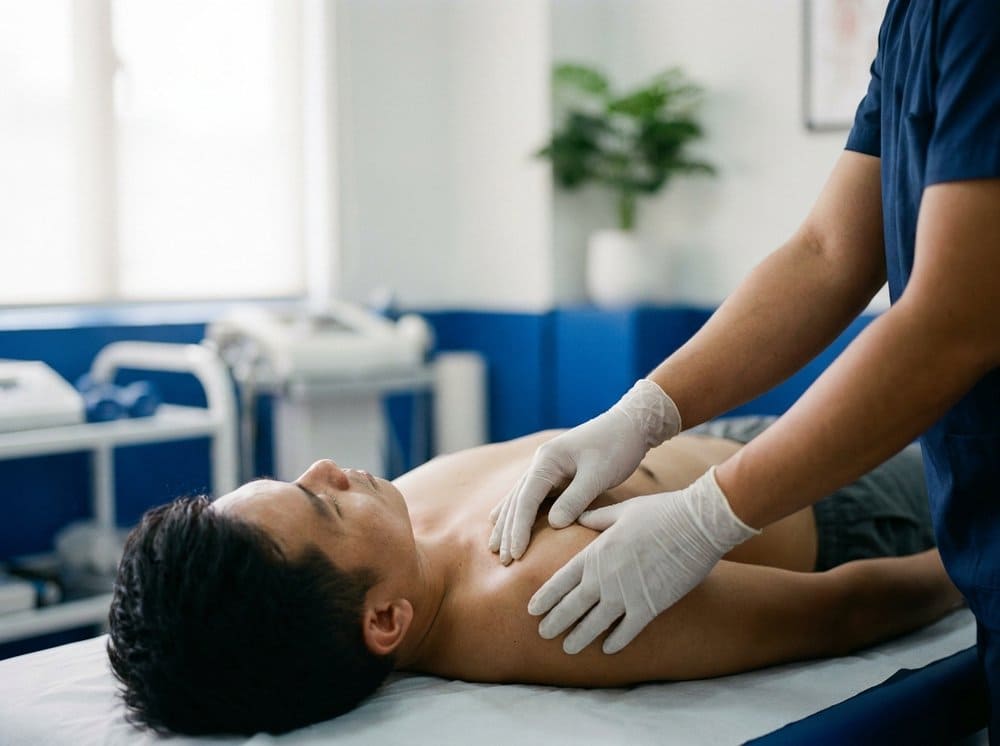
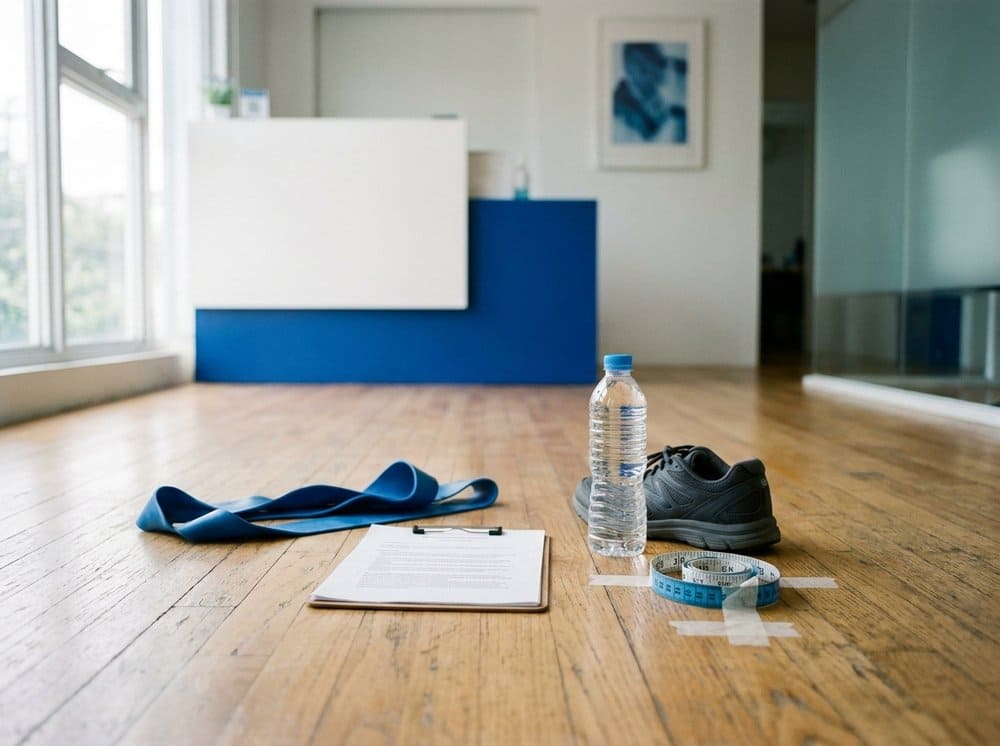
Stillness is the enemy of recovering joints. Pain-free movement within a tolerable range — ankle pumps, quad sets, gentle ROM — releases endogenous opioids, reduces stiffness, and prevents the central nervous system from sensitising. Our physical rehabilitation service builds these progressions session by session. For chronic pain patients who have not yet had surgery, image-guided joint injections can create a window of reduced pain in which rehabilitation finally becomes possible.
Mindfulness and sleep
Pain that is attended to, feared, and anticipated becomes louder. Pain that is noticed, accepted, and released becomes quieter. We teach a simple body-scan protocol — 10 minutes a day, audio-guided — and monitor sleep. Patients who sleep less than 6 hours rate their next-day pain 2 points higher on the VAS. Sleep is analgesic.
"The patients who recover best from knee replacement are rarely the ones who had the least pain. They are the ones who had the best relationship with their pain."
The opioid question
Opioids have a role. Acute post-operative pain after total knee or hip arthroplasty, rotator cuff repair, or major spine surgery genuinely exceeds what paracetamol and NSAIDs alone can manage in the first 3–5 days. Tramadol 50 mg every 6 hours as needed is a reasonable starting regimen for most post-op orthopedic patients in PH practice. Stronger opioids (morphine, oxycodone) are used in hospital but rarely discharged with.
The risk is not the first prescription. It is the second. Patients who remain on opioids at 30 days post-op have a 10–15% chance of still being on them at 90 days. Our tapering protocol:
- Days 1–3: Tramadol 50 mg every 6 hours scheduled
- Days 4–7: Tramadol 50 mg every 6 hours as needed (not scheduled)
- Day 8 onward: Stop tramadol; continue paracetamol and NSAID as needed
- Day 14: Reassess. If still requiring tramadol, a clinic visit, not a refill
Most orthopedic patients will not need opioids past day 10. If you do, that is a signal for a conversation — not a refill. Sometimes hip arthroplasty recovery stretches this timeline another week; sometimes spinal work stretches it further. The protocol flexes with the procedure, but the direction is always down.
Chronic pain: different rules
For chronic osteoarthritis or post-injury pain that has persisted beyond three months, long-term opioid use is rarely appropriate. The evidence for chronic opioid therapy in non-malignant musculoskeletal pain is weak, and the risks — tolerance, hyperalgesia, dependence, and falls in older adults — are substantial. Our chronic-pain patients are managed with scheduled paracetamol, topical NSAIDs, episodic injection therapy when indicated, structured physiotherapy, and weight management where relevant.
Non-red-flag musculoskeletal pain is almost always better served by a physical therapist than by a doctor with a prescription pad. That is not a slight against medicine; it is a statement about what chronic pain actually needs — movement, strength, and time.
What to watch for
Escalating medication use: needing more of the same drug to get the same effect. Flag this early.
Pain that does not behave: new pattern, new location, pain at rest, night pain that wakes you from sleep. These are medical signals, not medication signals. Monsoon flares of existing arthritis are a different category and usually respond to the same multi-modal stack.
Emotional features: pain that is tied to stress, mood, or sleep deprivation benefits more from addressing those than from any additional drug.
The honest summary
Good orthopedic pain management is boring by design. Paracetamol at the right dose, ice and compression applied consistently, TENS when it helps, gentle movement every day, protected sleep, and a short tightly-controlled course of stronger medication when truly needed. Patients who follow this template recover faster, sleep better, and almost never need the long-term meds their cousin or neighbour warned them about.